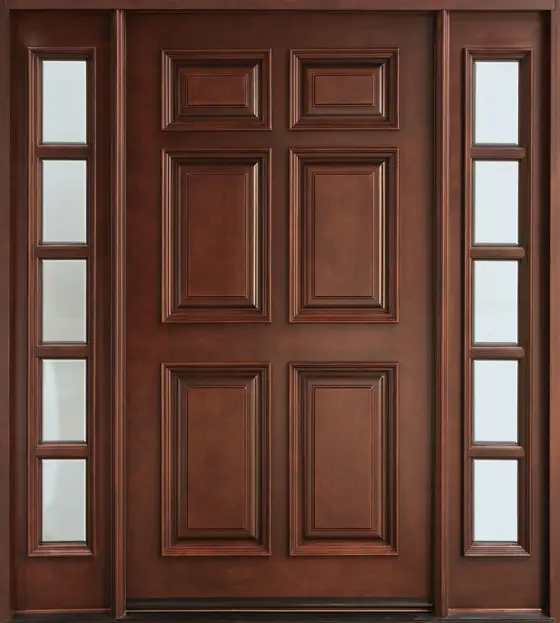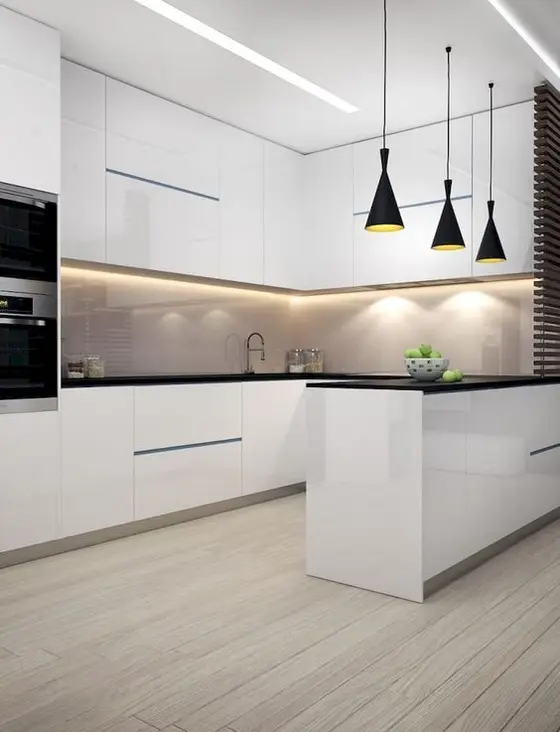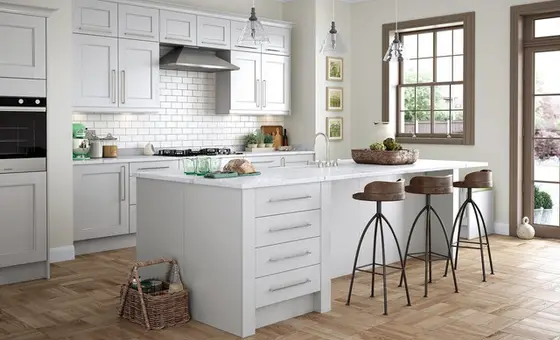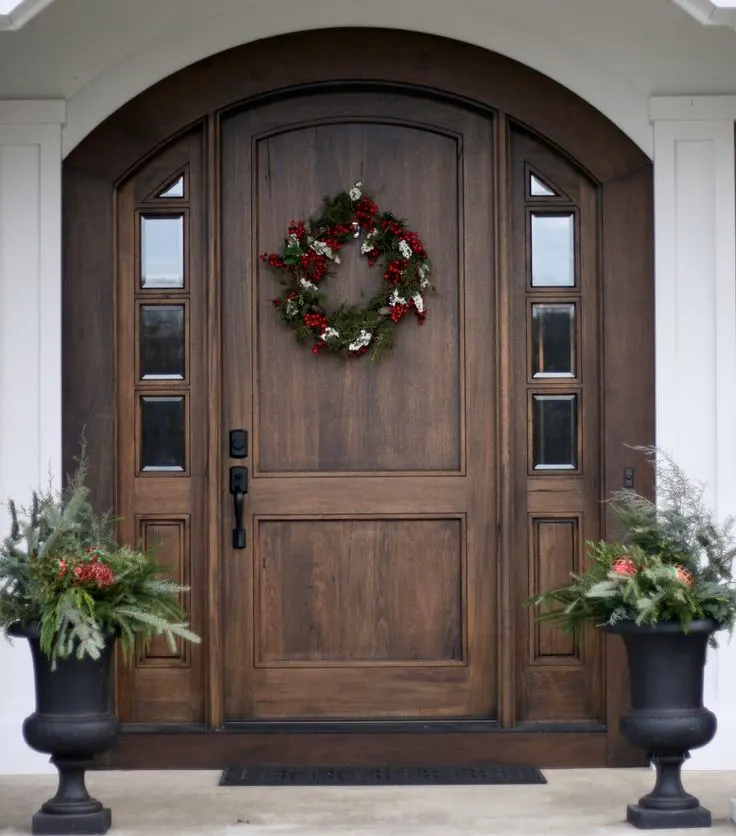
Wood is a living material. In the twin cities we see cold winters, dry summers and a humid monsoon — a tough test for any door or cabinet. Choosing the right species (and finish) makes the difference between a door that stays perfect and one that sticks, warps or gets eaten.
Meranti: the reliable all-rounder
A Southeast Asian hardwood with natural resistance to decay and termites, it machines and finishes cleanly. It is our most recommended wood for solid doors and frames.
Dyaar (Deodar): the Himalayan classic
Native to the western Himalayas, Deodar contains natural oils that repel insects. It has a warm aroma and a handsome grain, and it has been used in local architecture for centuries.
Ash and Mahogany: for rich grain
Ash has an oak-like grain and accepts stains beautifully. Mahogany offers a deep reddish tone that polishes to a luxurious sheen. Both are best used indoors.
Yellow Pine, SPF and Kel: budget-friendly
Lighter softwoods are ideal for economy doors, wire-mesh doors and jambs. Proper seasoning and sealing are essential.
Beyond species: finish and seasoning
- Seasoned timber: kiln-dried wood moves far less than green wood.
- Seal all six faces: top, bottom and edges of a door should be sealed, not just the face.
- PU or UV coatings: protect against moisture and UV.
- Termite treatment: apply to frames embedded in masonry.